AI, Copyright, and the Real Question: Are Creators Getting Left Behind?
Explore how IFRRO’s latest reports tackle AI governance, copyright challenges, and private copying-highlighting what it means for creators and fair compensation worldwide.on Mar 27, 2026
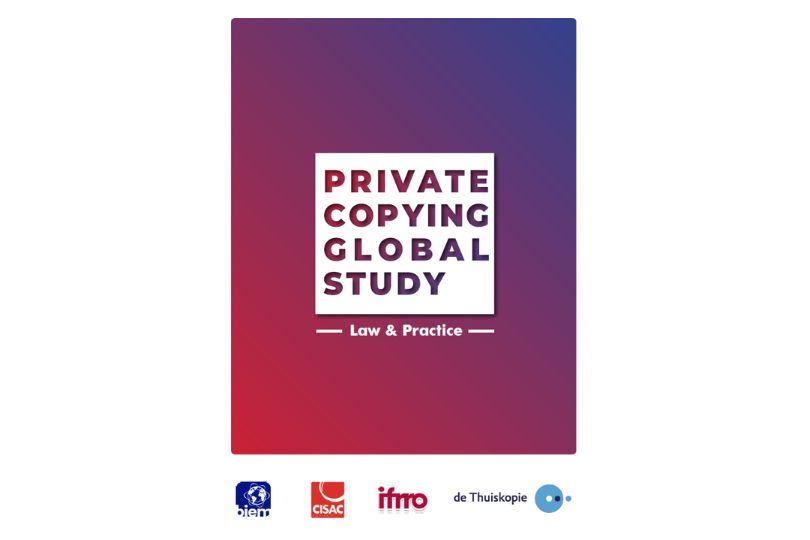
Right now, everything in the creative space feels like it’s speeding up a little too much. One minute you’re figuring out content trends, the next minute AI tools are doing things no one fully understands yet. And somewhere in between, creators are trying to figure out where they stand.
That’s exactly where the International Federation of Reproduction Rights Organisations steps in with its latest two publications. Not very flashy, but honestly, pretty important.
The AI Side of the Story (and the Confusion Around It)
The first guide, developed with Eleonora Rosati, looks at AI in a way that feels… practical. Not futuristic, not exaggerated — just what’s already happening.
Because let’s be real — AI didn’t just wake up one day and become “smart.” It learned from existing content. A lot of it.
So naturally, questions come up:
- If AI generates something, who actually owns it?
- Where is it pulling its data from?
- And why does every country seem to be handling this differently?
There aren’t clean answers yet, and that’s kind of the point. The guide doesn’t pretend everything is sorted — it just lays out the situation as it is.
The Quiet System Still Holding Things Together
Then there’s the second report, which talks about private copying. Not exactly a trending topic, but still very relevant.
This one is done with CISAC, BIEM, and Stichting de Thuiskopie.
The idea is simple: even if someone copies content just for personal use, creators shouldn’t be completely cut out of the picture. These systems exist to make sure some level of compensation still reaches them.
It’s not new, but it hasn’t become irrelevant either.
Why This Feels Important Now
What stands out isn’t just what these reports say — it’s when they’re coming out.
On one side, you have AI moving faster than policies can catch up. On the other, you’ve got older systems like private copying quietly doing their job in the background.
Both are shaping the same thing: how creators actually earn.
And that’s really what this comes down to. Not just innovation, not just rules — but whether the people creating the work are still part of the equation.
So, Where Does IFRRO Fit In?
The International Federation of Reproduction Rights Organisations isn’t exactly a household name, but its role is pretty straightforward. It works with organisations across countries to make sure creators and publishers don’t lose out when their work is used — whether that’s in a book, a database, or now, even an AI system.
Not everything is figured out yet. But at least the conversation is happening in the open.
AI governance
copyright and AI
IFRRO report
creator rights
private copying
Copyright Laws
AI and intellectual property
CISAC
BIEM
content ownership
AI training data
digital rights
Publishing Industry Trends
creator compensation
global copyright issues
Post a comment
0 comments
Trending Posts
.jpg)
.jpg)

.jpeg)

.jpg)

Recent Post
.jpg)
.jpg)



Related Post



© 2026 - Frontlist - News and Updates of Publishing Industry, Book Reviews, Education News, Author Interviews, and Videos.. All Rights Reserved.
Sorry! No comment found for this post.